A Universal Ritual
Bathing culture exists around the world. Romans gathered in grand thermae. Turks built hammams for purification and community. Finns have their saunas, the Japanese their onsen.
Korea has its own tradition—one you might have glimpsed in KPop Demon Hunters, where characters find a moment of peace soaking in a traditional Korean bath, towels wrapped on their heads, steam rising around them.
But Korean bathing culture runs deeper than a movie scene. So what has bathing meant to Koreans?
Rest for Royalty
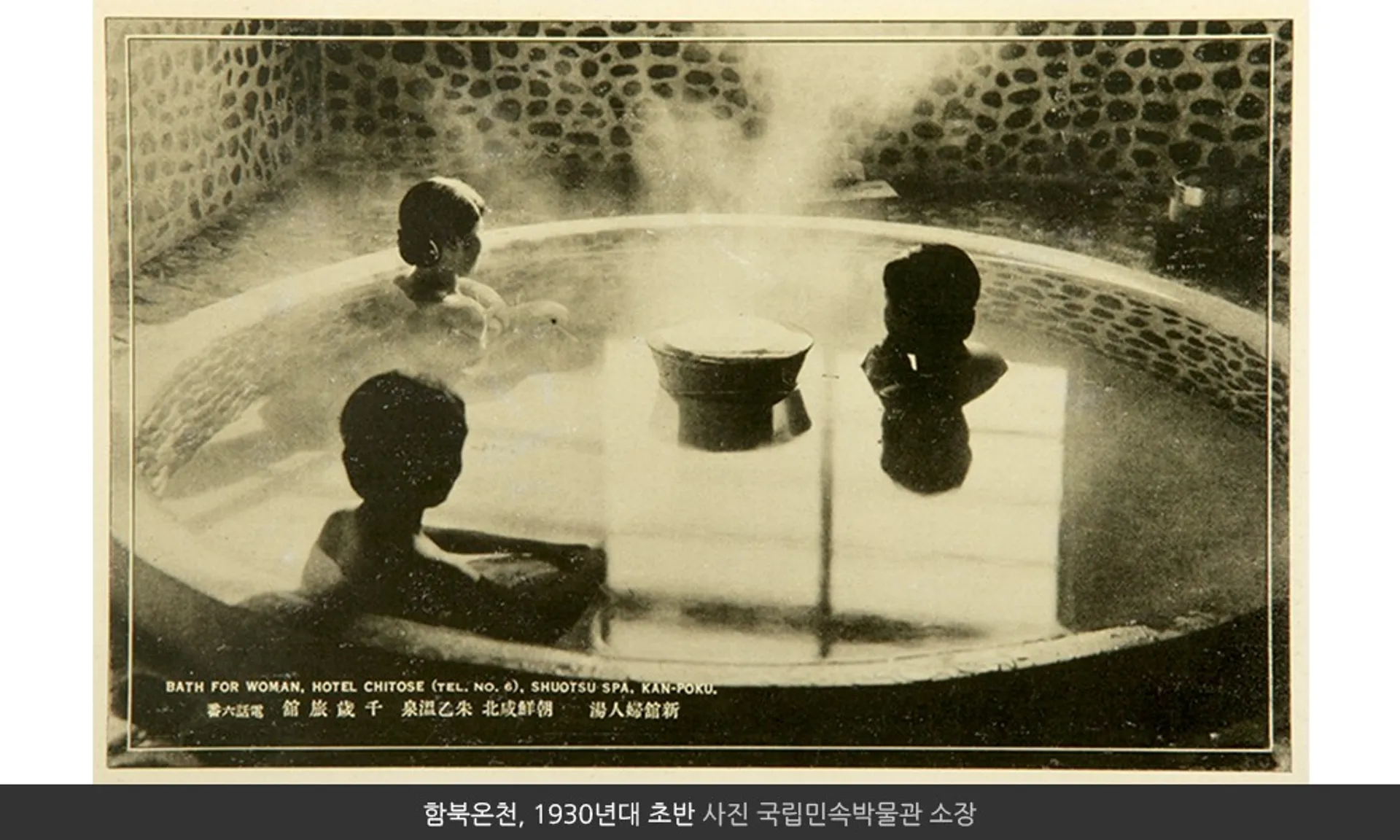
In the Joseon Dynasty, kings traveled to hot springs for healing and rest. King Sejong, famous for creating the Korean alphabet, made multiple trips to Onyang hot springs to treat his eye ailments. Later kings—Hyeonjong, Sukjong, Yeongjo, Jeongjo—followed, building royal retreats there.
When travel wasn’t possible, historical records show that hot spring water was brought to the palace for bathing. The message was clear: warm water wasn’t a luxury. It was essential for recovery.
A Place to Escape
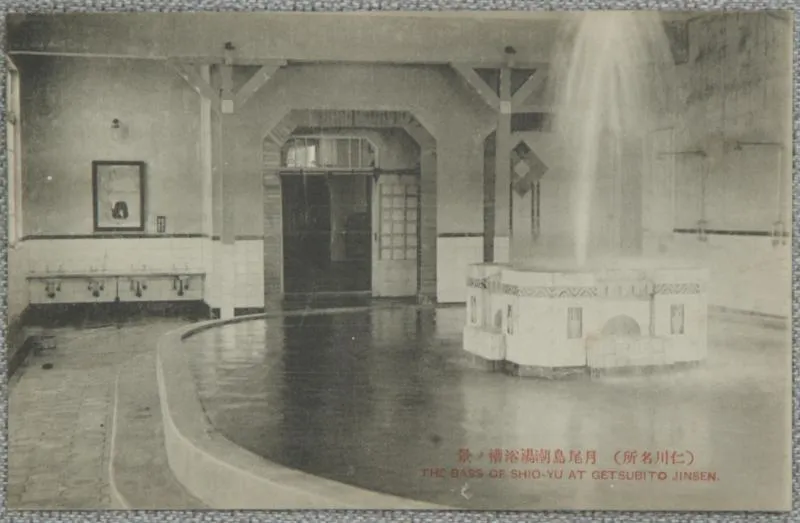
By the early 20th century, bathing culture expanded beyond royalty. In 1924, Wolmido Jotang (월미도 조탕) opened in Incheon—Korea’s first seawater bath, drawing mineral-rich water from deep underground.
Hot springs and bathhouses became places where ordinary people could find the same rest that kings once sought. These weren’t just about getting clean. They were retreats—places to recover, to breathe, to step away from daily life.
The Neighborhood Bathhouse
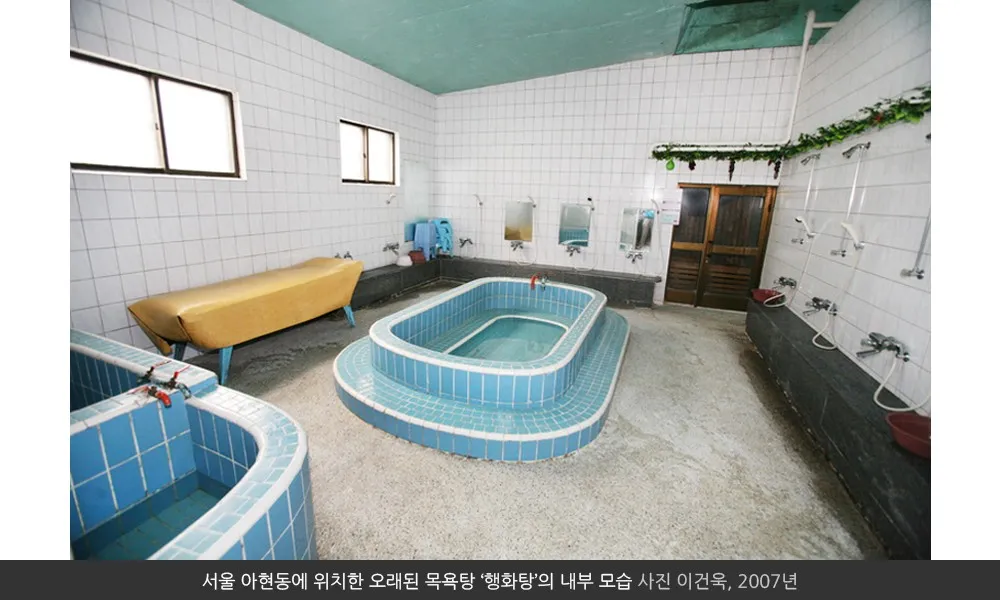
From the 1960s through the 1980s, as Korea urbanized rapidly, the mogyoktang (목욕탕, public bathhouse) became a neighborhood fixture. Nearly every district had one. Hot tubs, cold plunge pools, a sauna. The steady rhythm of weekly visits.
These bathhouses served a simple purpose: a place to rest. Workers unwound after long days. Neighbors caught up. The Korea towel (이태리타올, Italy towel), invented in 1968, became essential—a uniquely Korean approach to scrubbing away not just dirt, but the week’s fatigue.
At their peak, thousands of bathhouses operated across Seoul alone. Today, fewer than 700 remain.
A Tradition Continues
Modern apartments have private bathrooms. The weekly bathhouse trip no longer fits most schedules. But the need for rest hasn’t changed.
What’s shifted is the space. The same warm water. The same pause. Now in your own home—a bathtub, a foot basin, fifteen minutes before bed.
OVER THE WENZDAY continues this tradition. Our products carry the same intention that brought kings to hot springs and neighbors to the local mogyoktang: rest, recovery, and a moment to breathe.
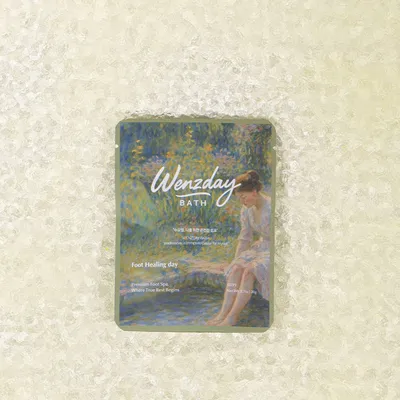
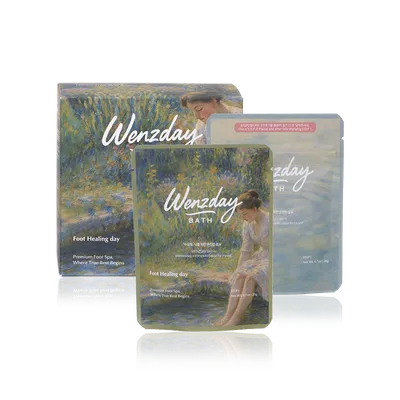
Foot Healing Day transforms your foot basin into a healing retreat with MSM and 16 Hanbang extracts.
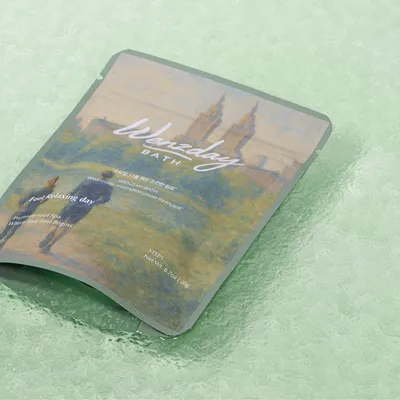
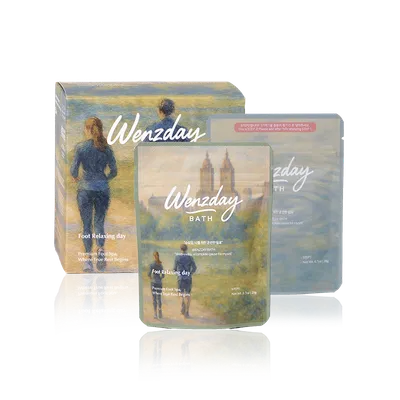
Foot Relaxing Day offers a mint-colored slush gel that keeps water warm longer, perfect for unwinding tired legs.
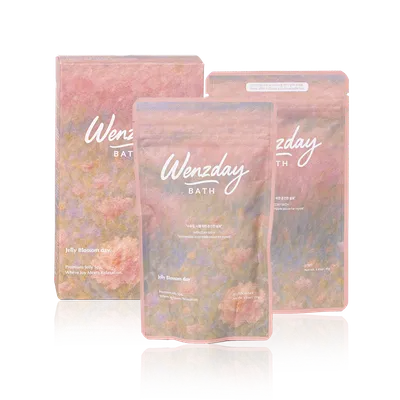
Jelly Blossom Day turns water into a soft pink jelly—a sensory experience to share with someone you love.
The bathhouse may be fading. The Korean art of bathing is not.